"I Think I Might Have ADHD" - from Masking to Special Ed Certification
Does ADHD Awareness Month actually change anything? Rick and Tisha hit record mid-planning and ended up living the answer: interruptions, tangents, and banter included.
They start by questioning awareness months themselves. Awareness should happen every day, not as "an appointment to behave," and underneath it all, people just want to belong, to be seen, and to be understood. From there they dig into new UK research on supporting neurodivergent learners in mainstream schools, why two people with ADHD won't automatically get along, and why educators supporting educators matters so much.
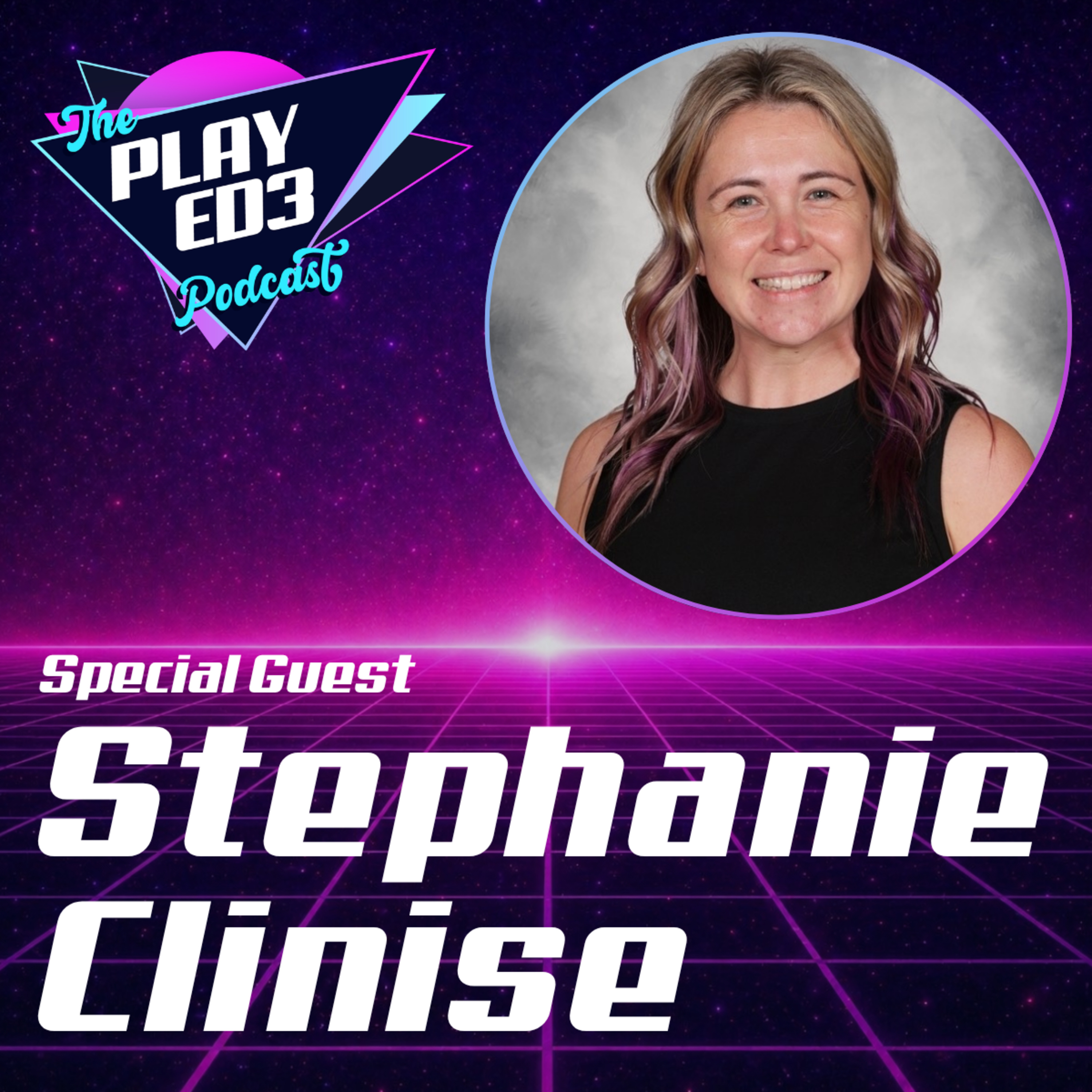
Then Tisha shares news she's never told publicly. She grew up adopted alongside two brothers who needed special education support, masked her way through school as a perfectionist, and didn't put the pieces together until Rick told her, "Did you not know that?" Now she's officially certified in Texas Special Education (EC–12), something she sees as honoring her brothers, and she's volunteering with Hugs Cafe, which trains adults with intellectual and developmental disabilities.
They close on the workplace: the UK government's new neurodiversity report, why support shouldn't depend on a formal diagnosis, and why we should stop expecting people to adapt to systems instead of designing systems for human difference.
00:00 Introduction to ADHD Awareness Month
01:00 The Importance of Continuous Awareness
04:02 Political Awareness and Advertising
07:58 The Intersection of Politics and Awareness Months
10:10 Belonging and Community in Awareness
13:54 Educators Supporting Each Other
18:00 Research on Neurodiversity in Schools
21:59 Understanding Neurodivergence and Relationships
25:00 Tisha's Journey: From Adoption to Advocacy
27:49 Navigating Education: Personal Experiences and Insights
30:05 The Diagnosis: Understanding ADHD and Neurodivergence
34:53 Certification and Meaningful Work: A New Chapter
39:09 Volunteering and Community Impact
41:48 The Future of Neurodivergence in the Workforce
46:11 UK's Neurodiversity Initiatives: A Model for Change
52:27 Conclusion: Designing Inclusive Systems
Join the newsletter: https://played3.com/?newsletter=1
📢 Listen and subscribe on your favorite platform:
Spotify | Apple Podcast | Amazon Music | YouTube
📱Follow Play Ed3 Podcast on:
Instagram: https://www.instagram.com/played3podcast
TikTok: https://www.tiktok.com/played3podcast
YouTube: https://www.youtube.com/@PlayEd3Podcast?sub_confirmation=1
🙋♀️Follow Tisha on:
Instagram: https://www.instagram.com/tishaponcio
X (Twitter): https://x.com/tishaponcio
TikTok: https://www.tiktok.com/@tishaponcio
🙋♂️Follow Rick on:
Instagram: https://www.instagram.com/rickbutterworth
X (Twitter): https://x.com/r1ck11
TikTok: https://www.tiktok.com/@rickbutterworth
Want to be a guest?: https://docs.google.com/forms/d/e/1FAIpQLSeCaEyQrrPcYsKdQHaSlFbVXVVC_eNyXMMfy5NTj0aRNcR6Vw/viewform?usp=header
🧠 Let's learn, grow and play together